SNEC 2027 Conference
Save the Date: Friday, March 26, 2027
Publick House Historic Inn (Sturbridge, MA)

Save the Date: Friday, March 26, 2027
Publick House Historic Inn (Sturbridge, MA)
Also registered are a municipal employee, a state employee and member of the private sector who prefer not to be named.

Certificates of Attendance will be provided that include the program on the back to document professional development content.
Pre-approved for 6 PDH by EnviroCert International – applicable to CPSWQ, CPESC, CESSWI, CPMSM, CPISM, NGICP, QSM
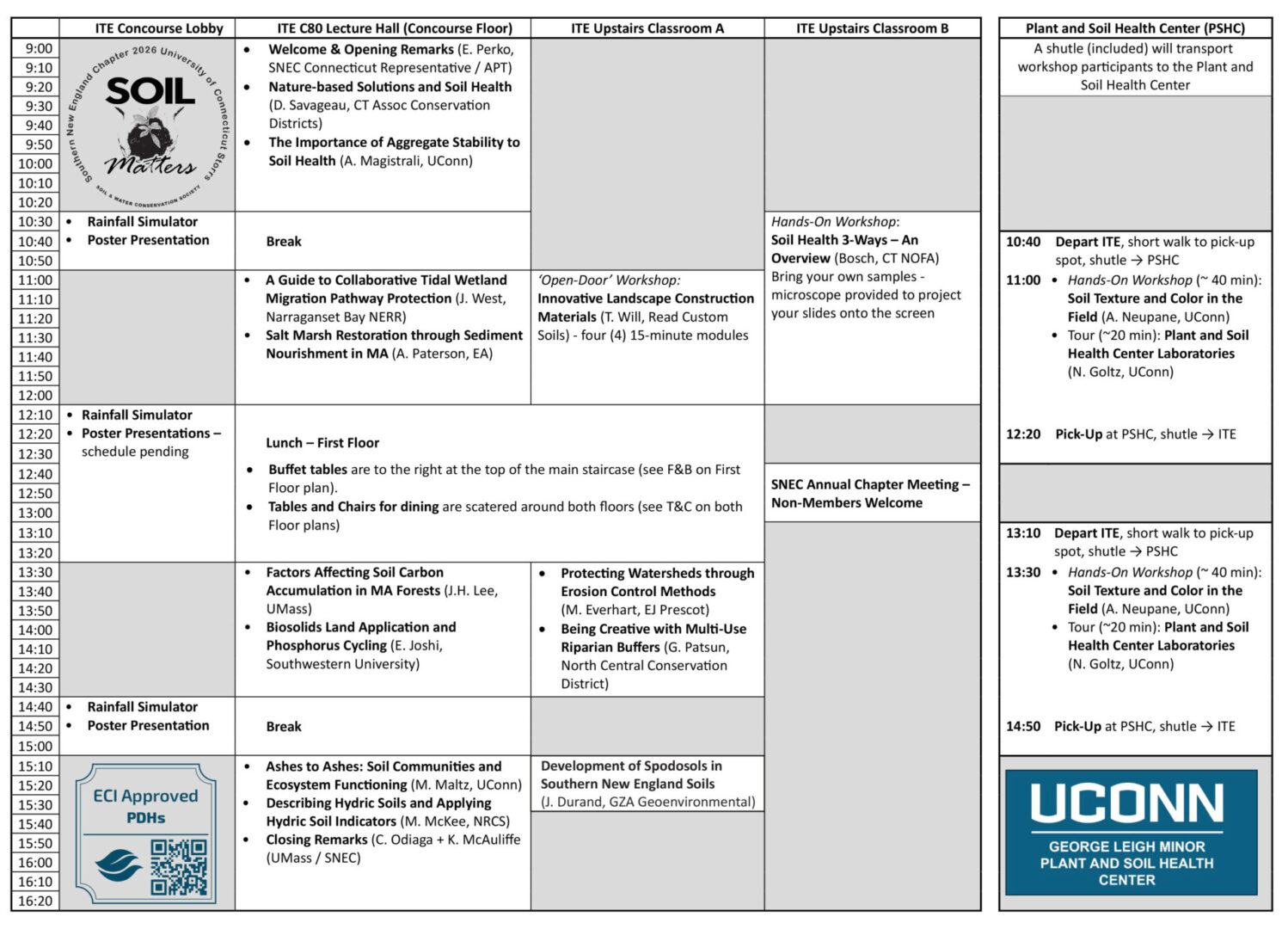
Sign-in, coffee and the lunch buffet will be on the First Floor of the Information Technology Engineering (ITE) Building.
All program elements will be at ITE except for the soil classification workshops to be held at the Plant and Soil Health Center (PSHC).
All attendees will gather for the Opening Session in the Lecture Hall on the lower level of the ITE Building.
The Rainfall Simulator will on display in the lower-level lobby leading to the lecture hall. The first demonstration will occur at the start of the morning break; it will be repeated during breaks and lunch.
The morning and afternoon sessions of the Soil Texture and Color in the Field workshop will be held across campus. A shuttle (included) will transport participants; an intern will lead the way from a designated meeting location at ITE to the shuttle stop.
· A.M. workshop participants will leave ITE during the break after the Opening Session.
· P.M. workshop participants will leave ITE after lunch and return for Closing Remarks.
The 90-minute Soil Health 3-Ways workshop and the four (4) 15-minute Innovative Landscape Construction Materials modules will begin after the morning break in upstairs ITE classrooms, and will run concurrent to presentations in the lecture hall.
Afternoon presentations will run concurrently at ITE
15-minute Poster Presentations will occur during breaks and lunch, and will be timed to ensure that PSHC-workshop participants have an opportunity to see them. These and other posters will be on display throughout the day.
Soil Classification – A.M. and P.M. sessions (P.M. workshop is full)
Soil Texture and Color in the Field (space is limited)
Hosted by Dr. Avishesh Neupane, Assistant Extension Professor for UConn Department of Plant Science and Landscape Architecture. This workshop will be held at the new George Leigh Minor Plant and Soil Health Center and includes a lab tour. PSHC brings together several existing and physically separated specialized service centers already established at UConn (Home and Garden Education Center, Plant Diagnostic Center, Soil Nutrient Analysis Lab and the Turf Diagnostics Lab).
Soil Microscopy – A.M. session only
Soil Health 3-Ways – An Overview (space is limited)
Hosted by Monique Bosch, Soil Health Program Manager for the Northeast Organic Farming Association of Connecticut (CT NOFA). Attendees are invited to bring your own samples to make slides for viewing!
Round-trip shuttle to PSHC is also included.
To sign up, simply choose Yes when asked in the course of registering for your selected ticket category. Space permitting, you may also request to sign up via e-mail keara@swcssnec.org or at check-in on July 30th.
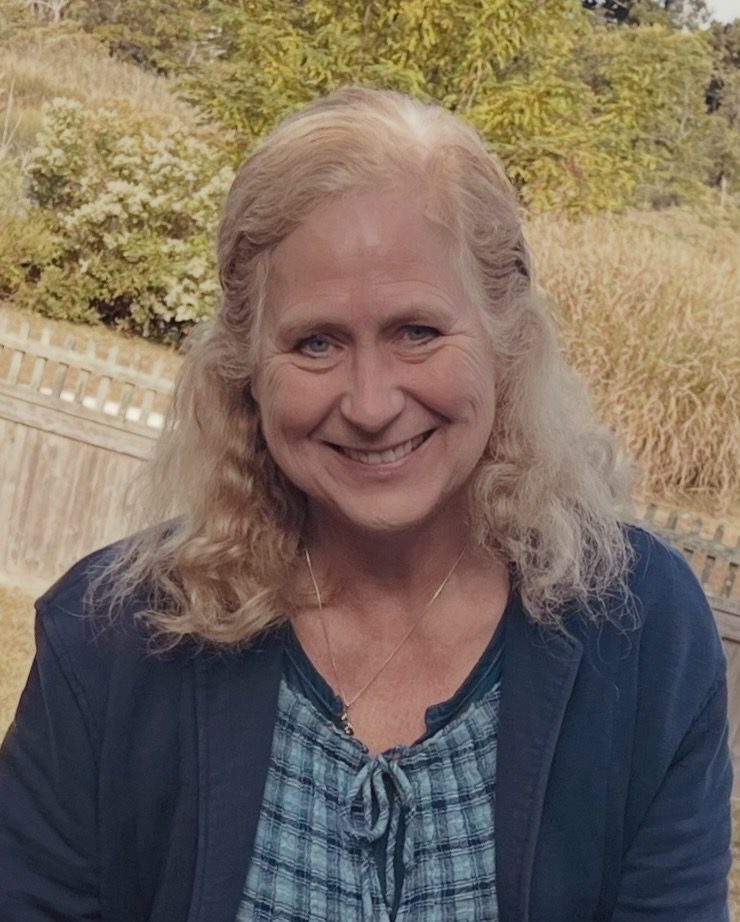
Soil Health Program Manager, Northeast Organic Farming Association of Connecticut
Bio:
Monique works as Soil Health Lead for CT NOFA, and runs a worm composting business with her son Justin; Wiggle Room. She also teaches Soil Health for Brooklyn Botanic Garden and Berkshire Botanical Garden. In the last 20 years she has worked with volunteers and students to build over 40 edible school and community gardens, and a two-acre urban farm in Bridgeport. She studied ‘The Soil Food Web’ under Dr. Elaine Ingham, and teaches microscopy, soil health and composting to farmers and organizations. Through microscopy and test trials, Monique explores the relationship between living soil and healthy, nutritious food.
Soil Health 3-Ways – An Overview
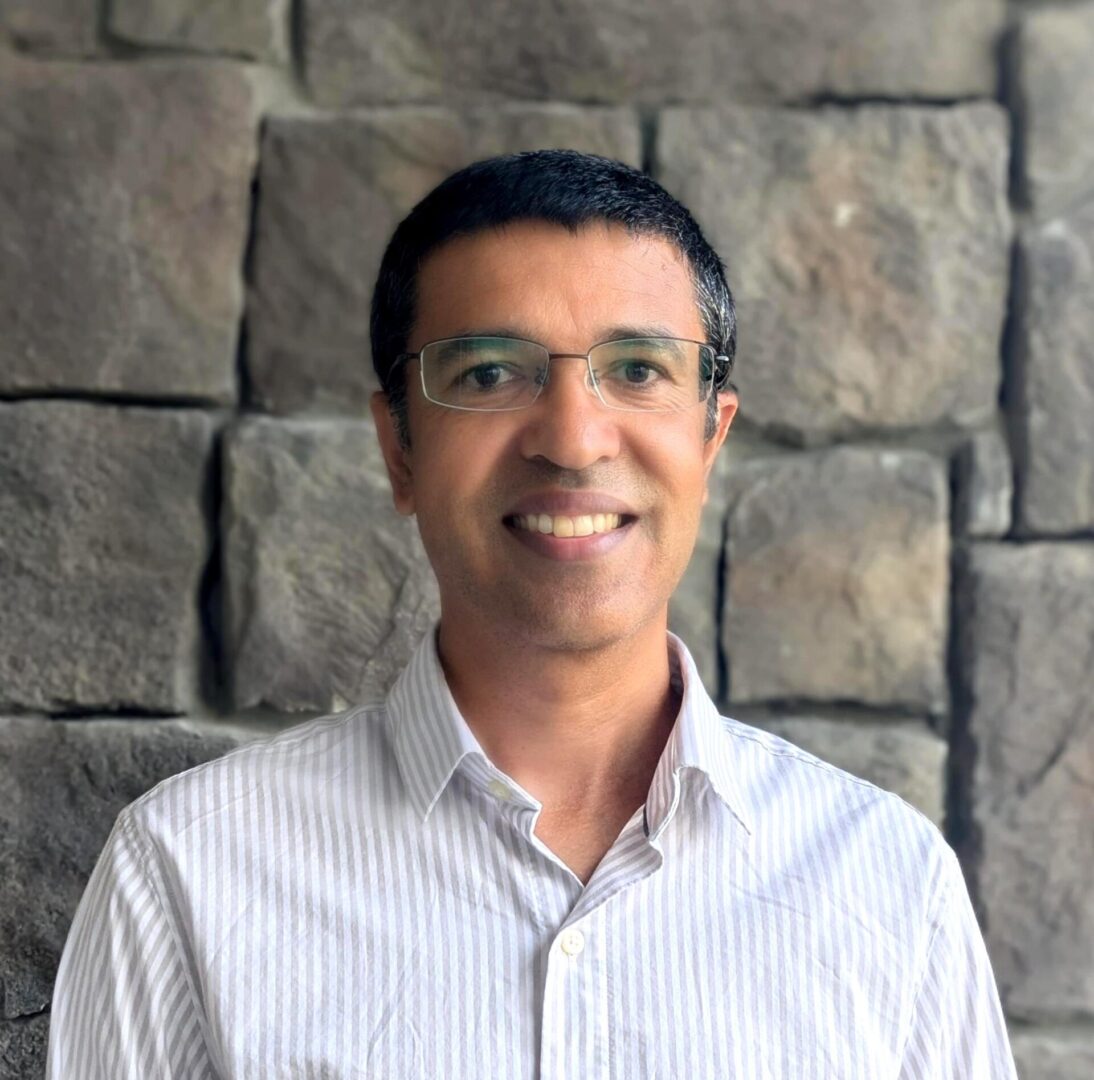
Assistant Extension Professor, UConn Department of Plant Science & Landscape Architecture
Bio:
Avishesh Neupane, Ph.D. is an Assistant Extension Professor of Soil Science at UConn and Director of the Soil Nutrient Analysis Laboratory. His Extension work focuses on practical soil health and translating lab results into clear, science-based recommendations for Connecticut and New England growers and gardeners, with an emphasis on nutrient stewardship to protect local waterways. His research on how carbon and nutrients move through working soils informs these recommendations and keeps them grounded in current science. His outreach programs cover soil fertility, compost, fertilizer management, and crop, pasture, and lawn amendments. Dr. Neupane holds an M.E.Sc. from Yale and a Ph.D. from UCLA.
Workshop:
Soil Texture and Color in the Field
Lab Tour:
Dr. Neupane will lead attendees on a tour of the newly relocated George Leigh Minor Plant and Soil Health Center
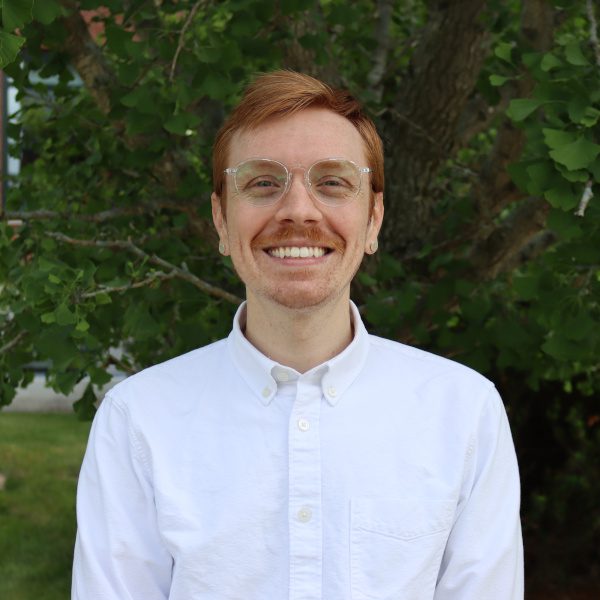
Plant Pathologist & Assistant Extension Educator, UConn Department of Plant Science & Landscape Architecture
Bio:
Dr. Nick Goltz is the Associate Director of the George Leigh Minor Plant and Soil Health Center, the Director of the UConn Plant Diagnostic Laboratory and Home Garden Education Office, and the IPM Coordinator for the state of Connecticut.
Lab Tour:
Dr. Nick Goltz will be helping lead the tour of the George Leigh Minor Plant and Soil Health Center with Dr. Neupane and give background on programming.
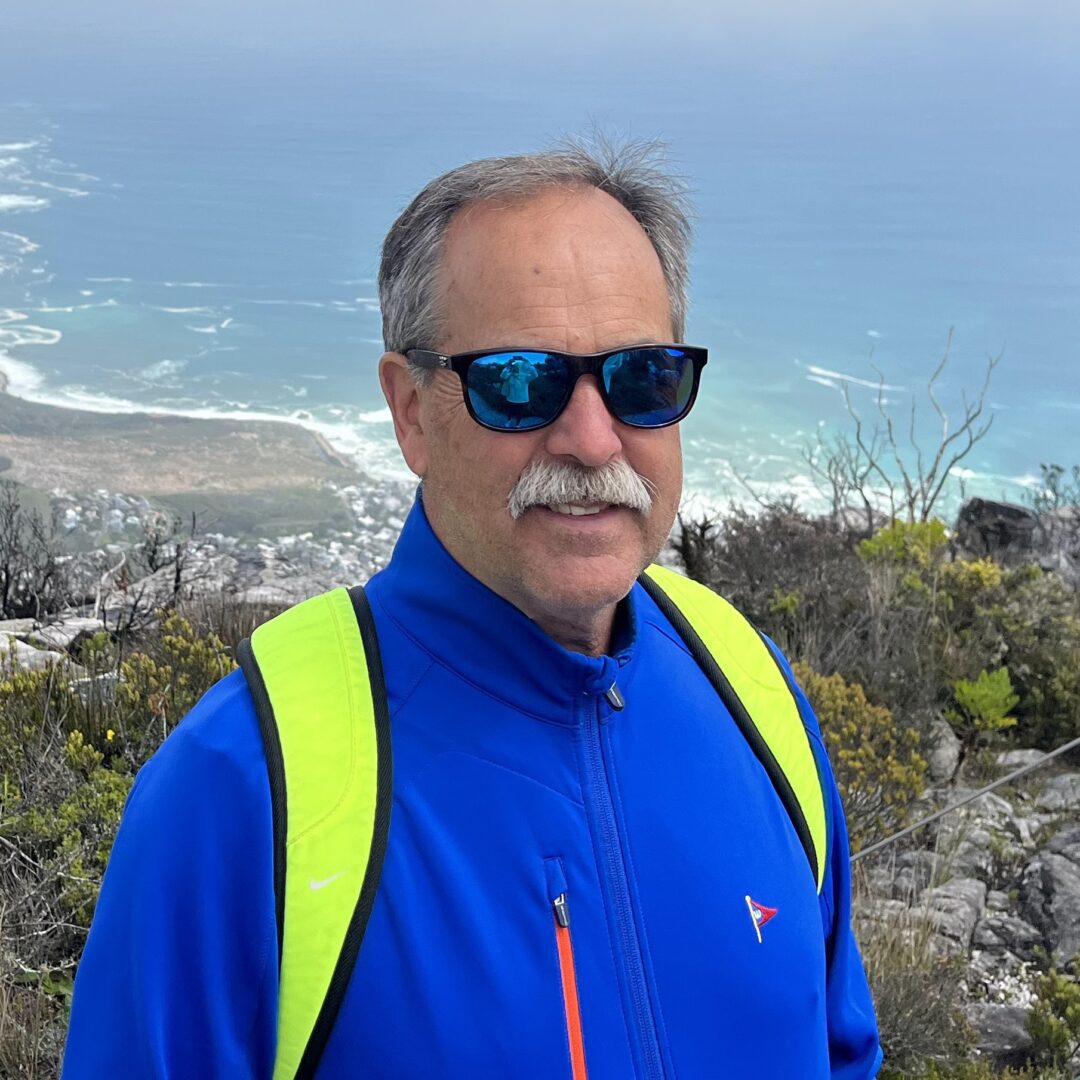
Director of Marketing & New product Development, Read Custom Soils
Bio:
Open-Door Workshop
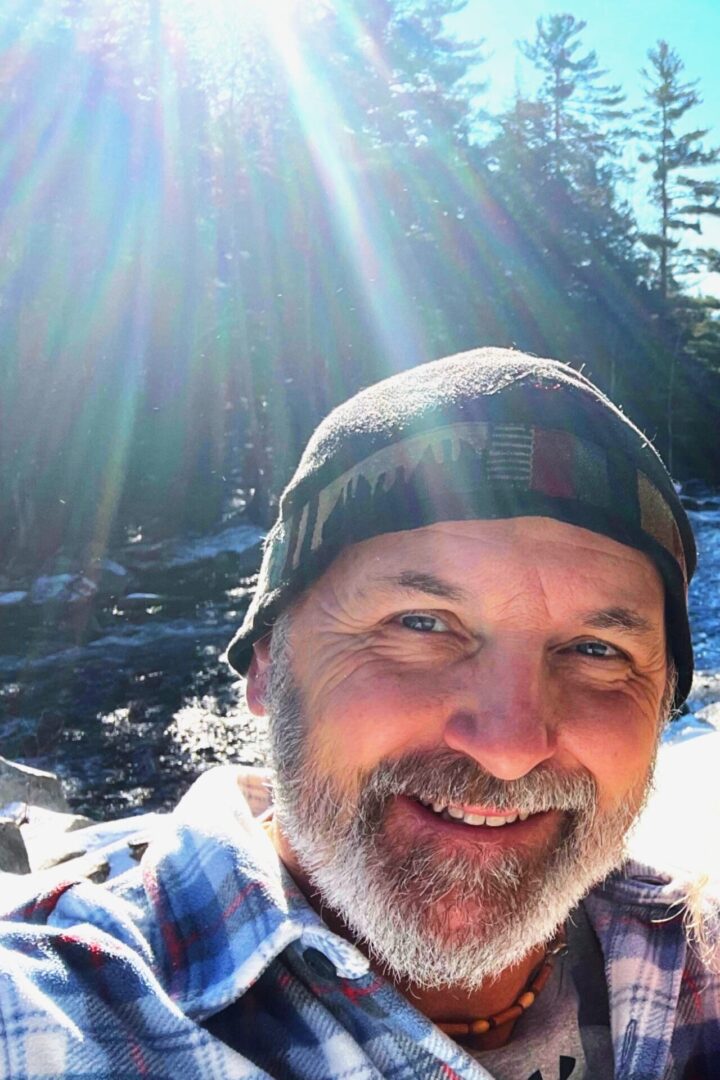
Associate Principal, GZA GeoEnvironmental, Inc.
Bio:
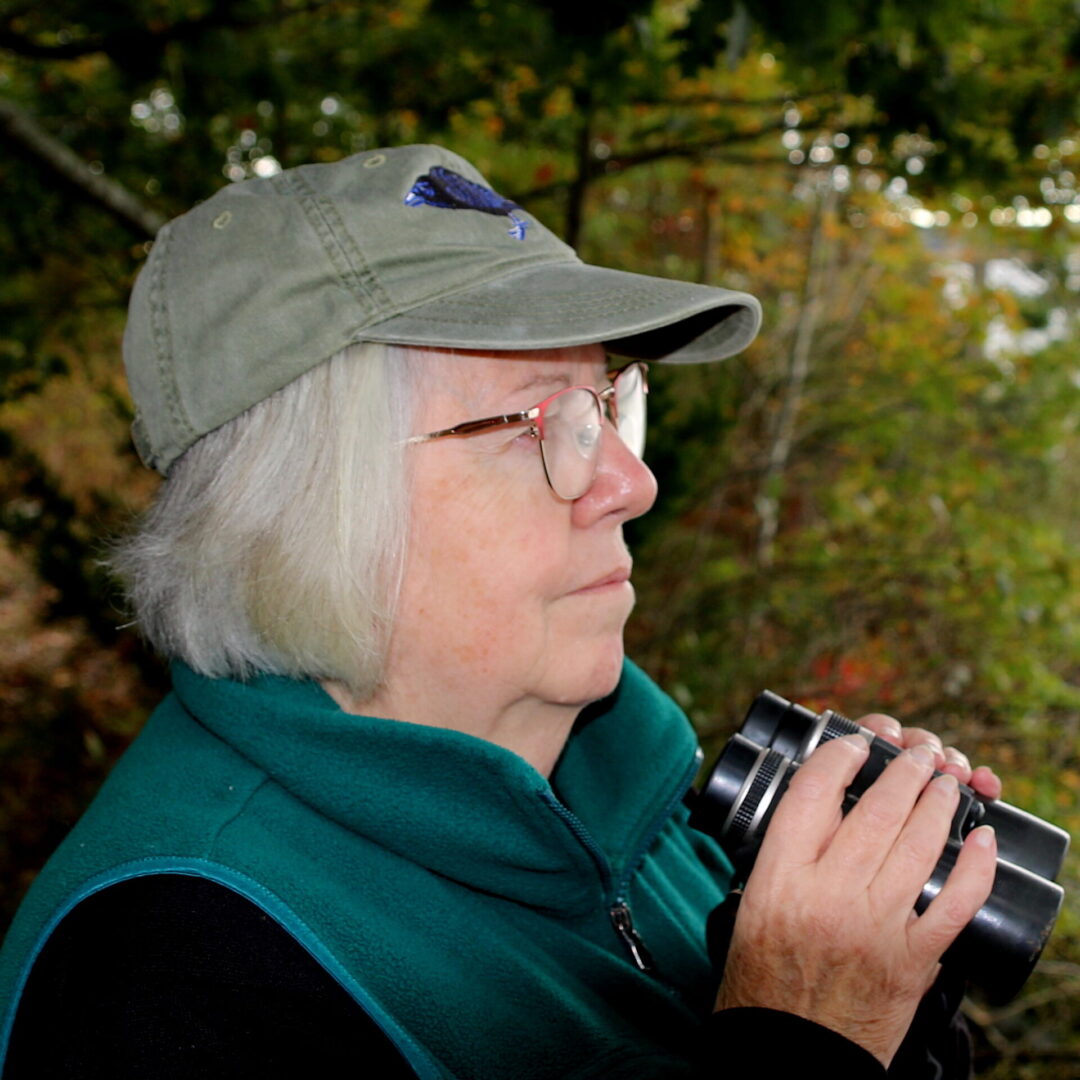
President, CT Association of Conservation Districts
Bio:
Presentation
Download Presentation (PDF)
Healthy Soils and Nature Based Solutions
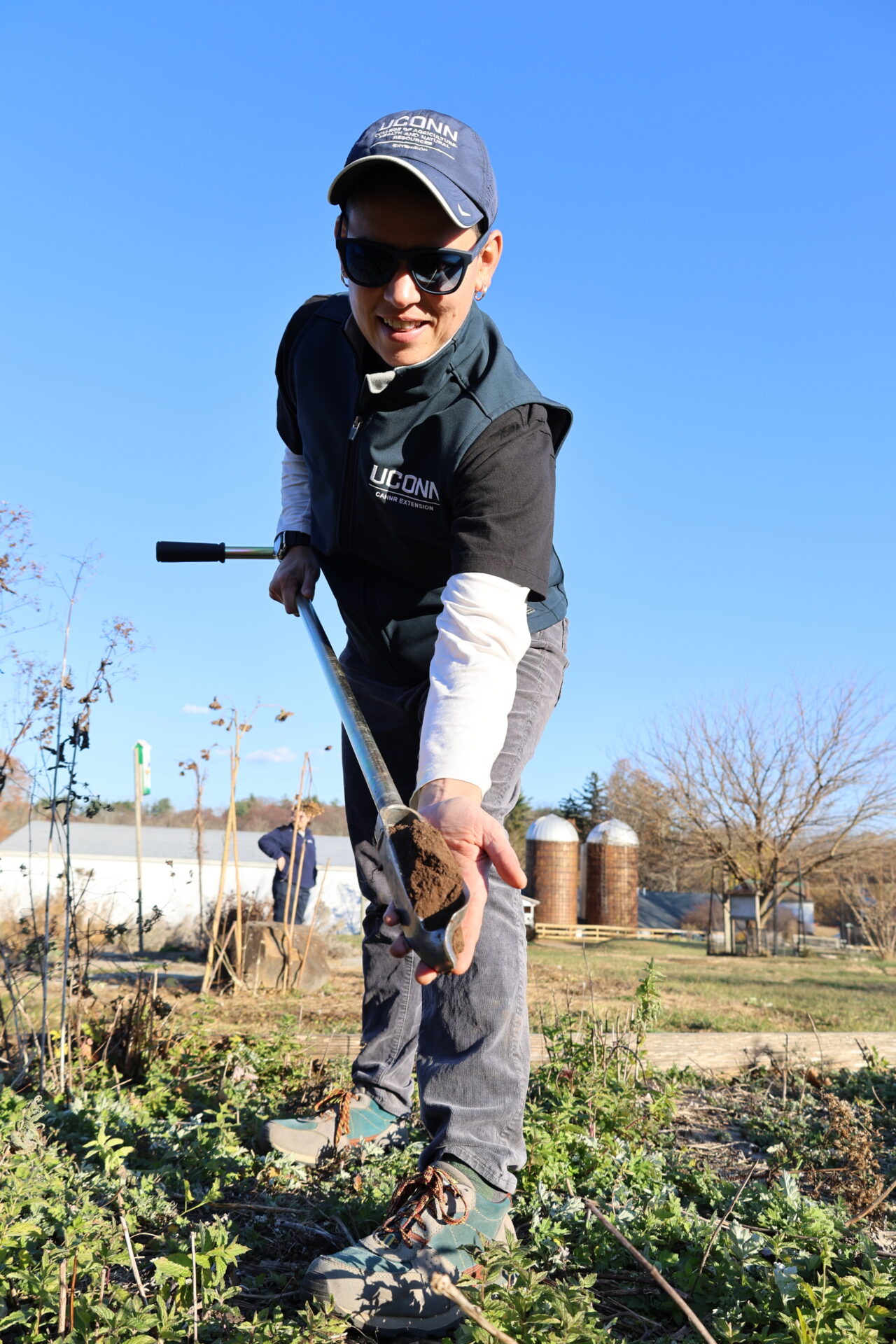
Associate Extension Educator: Soil Health, UConn Extension
Bio:
Dr. Amelia Magistrali is the Associate Extension Educator in Soil Health with UConn Extension, focusing on regenerative and agroecological farming systems that enhance soil health and ecosystem services. Since joining UConn in 2024, she has developed statewide programs supporting climate-resilient soil management for diverse growers. Dr. Magistrali holds a PhD from Newcastle University and brings over a decade of experience working with farmer networks to advance sustainable agriculture.
Download Presentation (PDF)
Tabletop Rainfall Simulator and Soil Health

Postdoctoral Researcher, Massachusetts Geological Survey, UMass Amherst
Bio:
Jin Ho Lee earned his PhD from Michigan State University, and his MS and BS from Gyeongsang National Unveristy, South Korea. His work has focused on understanding the mechanisms of soil carbon processing and sequestration using spatial approaches (X-ray µCT 3D imaging, zymography, root scanning) and isotopic tracing techniques in crop and grassland ecosystems. He currently leads a research project exploring statewide soil carbon pools in Massachusetts forests.
Presentation:
Factors affecting soil carbon accumulation in Massachusetts forests
Download Presentation (PDF)
Factors affecting soil carbon accumulation in Massachusetts forests
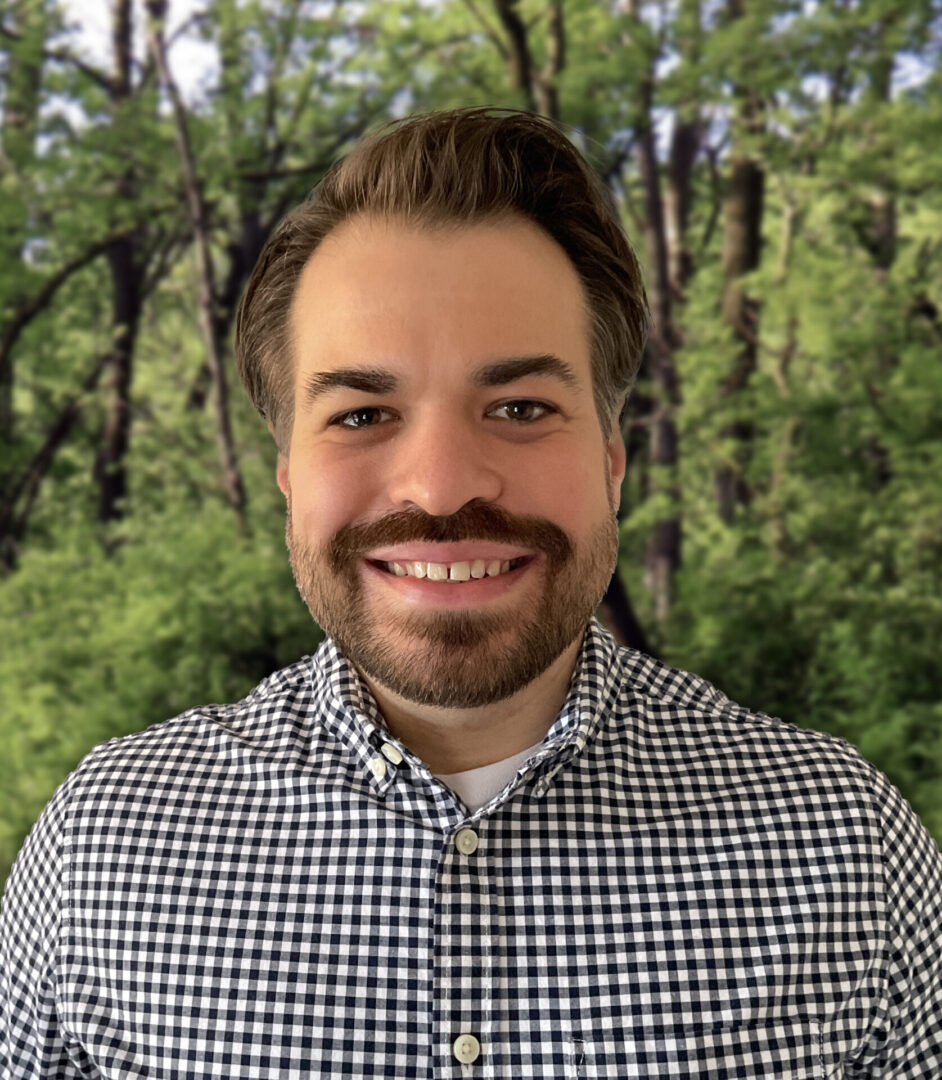
Senior Ecologist, EA Engineering, Science, Technology, Inc., PBC
Bio:
Alex is an ecologist with over 15 years of multi-disciplinary experience in the planning, design, permitting, and oversight of ecological restoration and habitat management projects in estuarine, freshwater, and terrestrial systems. He has served as project manager and senior ecologist for scores of projects, primarily in the Northeastern United States, including salt marsh habitat restoration, tidal restoration and other coastal resilience improvements, cranberry bog and other freshwater wetland restorations, dam removals, stream bank restorations, coastal and freshwater dredging, and habitat management projects, among others.
Download Presentation (PDF)
Salt Marsh Restoration through Sediment Nourishment in Massachusetts
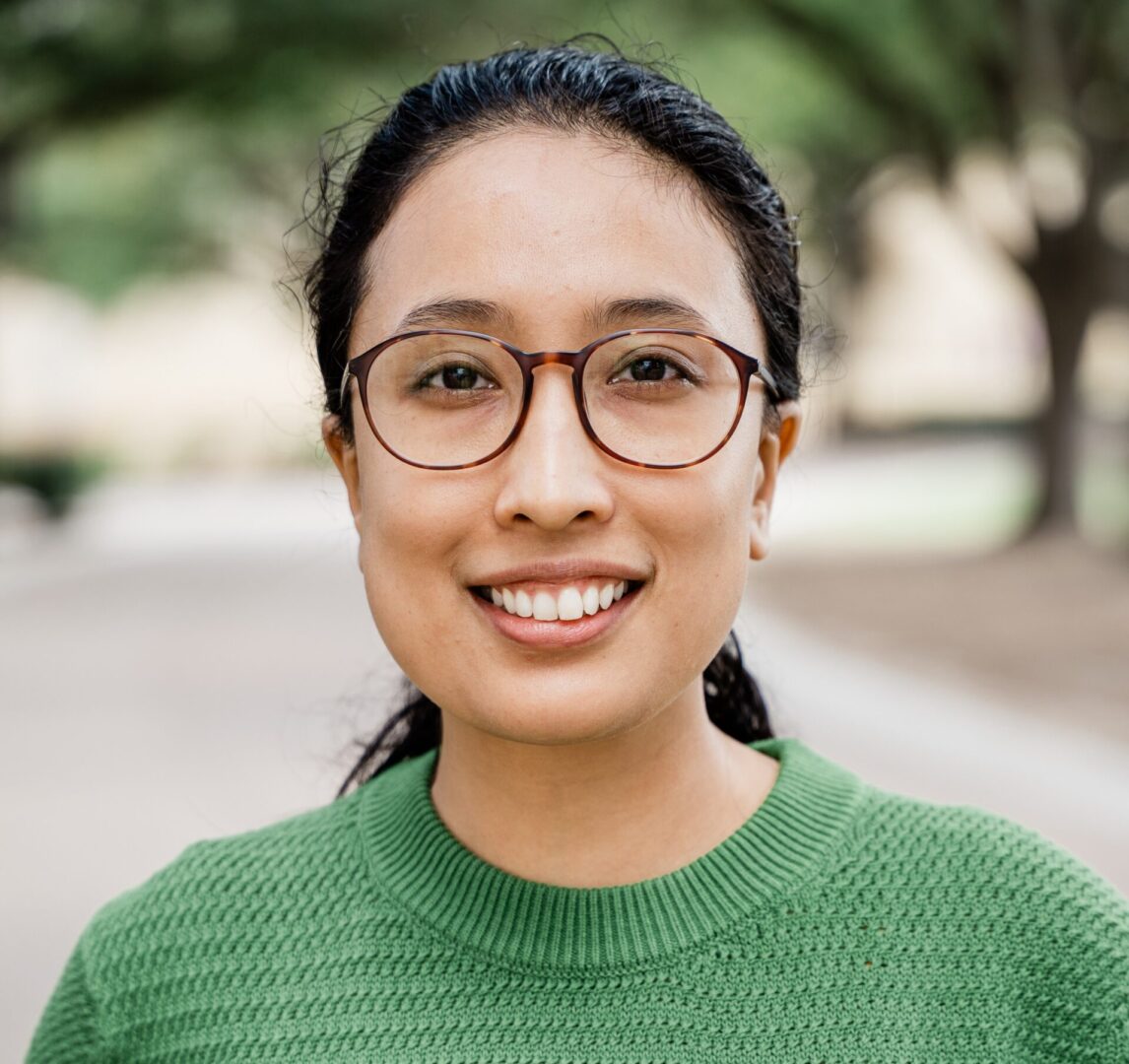
Assistant Professor of Environmental Studies, Southwestern University
Bio:
Dr. Eureka Joshi is an Assistant Professor of Environmental Studies at Southwestern University. She holds a Ph.D. in Environmental Science from the University of Idaho. For her doctoral research, she assembled a network of collaborators in northern Idaho, including five regional wastewater reuse facilities, Native American tribes, state and federal agencies, and adjacent landowners to conduct research on forest responses to municipal reclaimed water. She addressed questions about the impacts of reclaimed water on forest growth and vegetation diversity, drainage and soil nutrient leaching potential, and soil biological responses. As a postdoctoral fellow at Trinity College, Hartford, she collaborated with a regional wastewater treatment facility and a local farm in New Hampshire to study the impacts of biosolids land application on soil nitrogen and phosphorus cycling. Currently, she continues to explore how biosolids and reclaimed water land application affect soil health in Texas agroecosystems.
Download Presentation (PDF)
Biosolids Land Application and Phosphorus Cycling
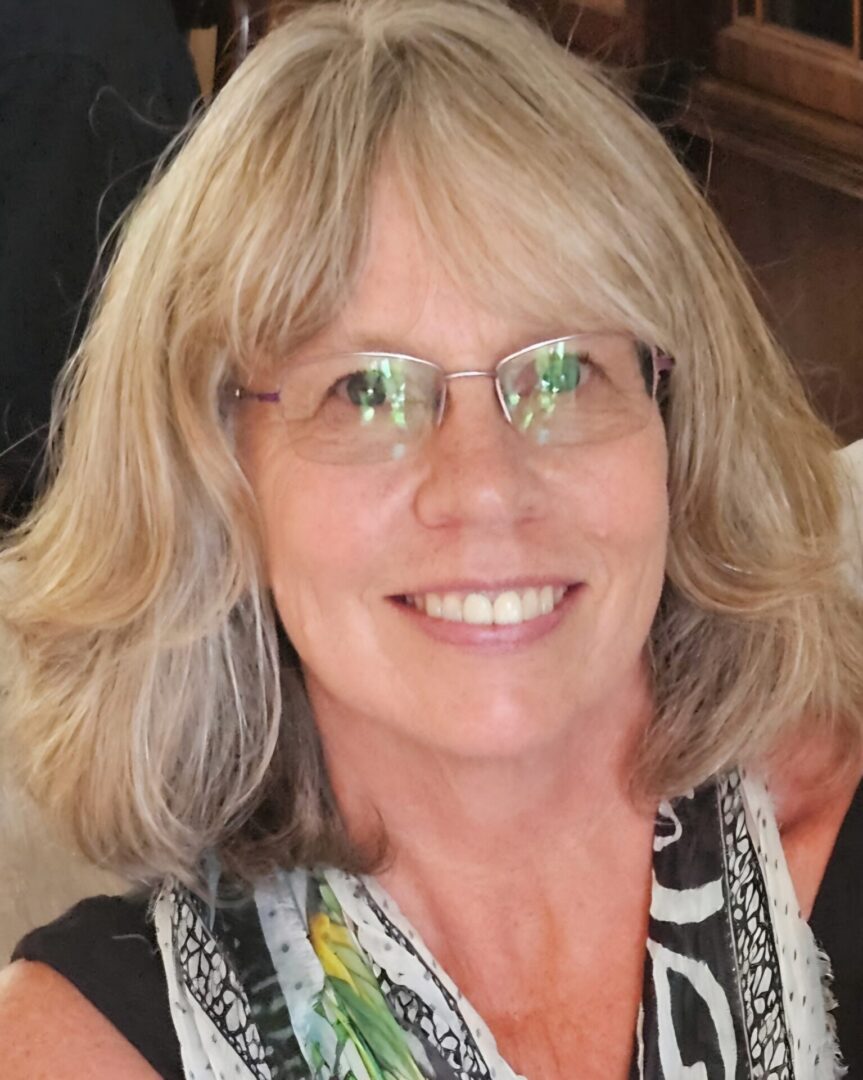
Soil Conservation Specialist, North Central Conservation District
Bio:
Ginny is a soil conservation specialist with the North Central Conservation District, and is a CT licensed arborist. Ginny found her passion in agroforestry while serving in the United States Peace Corps in Zambia, and is now practicing and promoting temperate agroforestry practices in Connecticut.
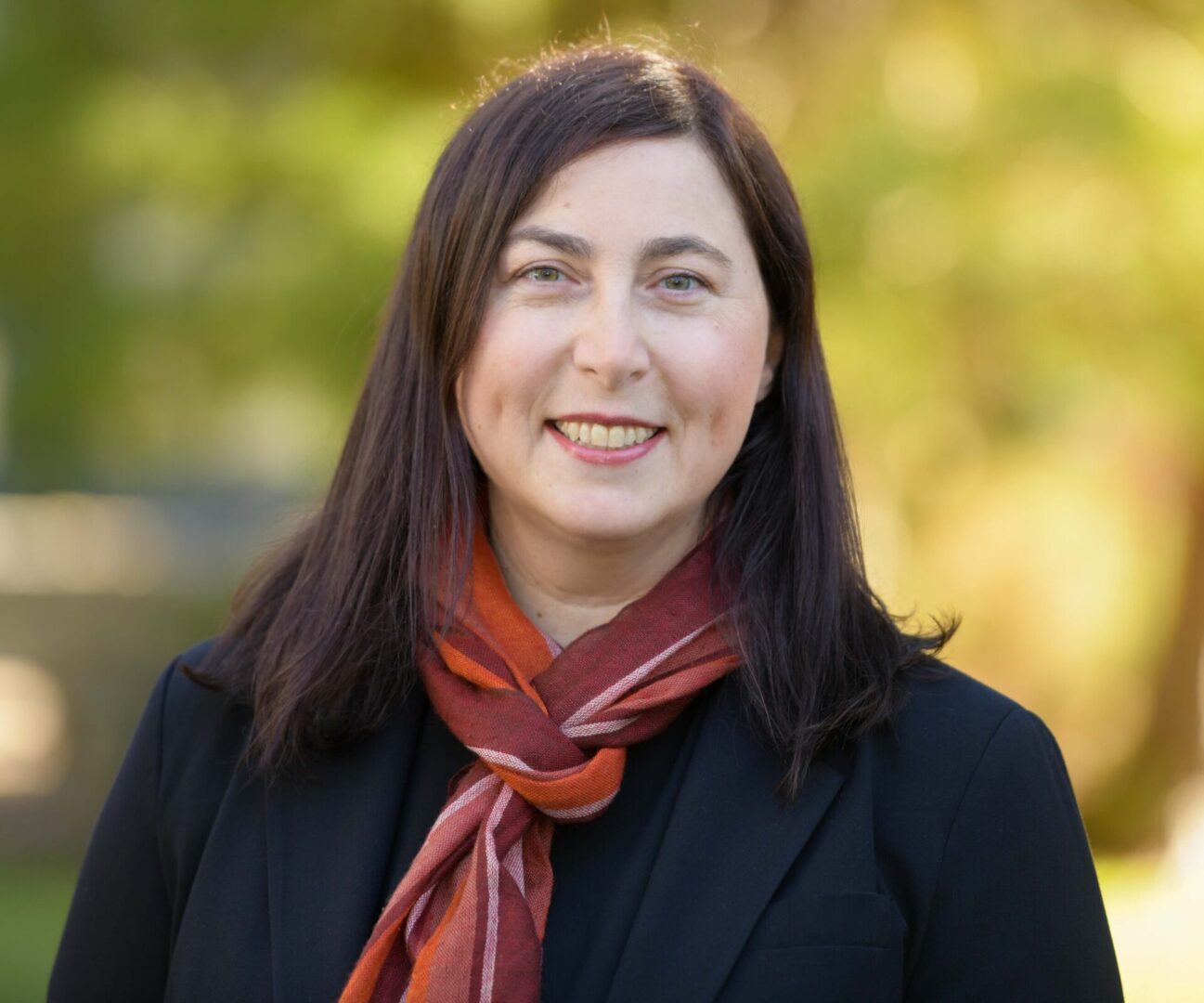
Assistant Professor, UConn, Plant Science and Landscape Architecture Department
Bio:
Mia Maltz is an Assistant Professor at the University of Connecticut in the Plant Science and Landscape Architecture Department. Mia is a mycologist and soil microbial ecologist working at the interface of community ecology, biogeography, and mycology. Her work broadly focuses on community responses to soil disturbance, which feedback to influence plant and fungal community structure and ecosystem functioning.
Download Presentation (PDF)
Ashes to Ashes: Fungal Communities and Ecosystem Functioning
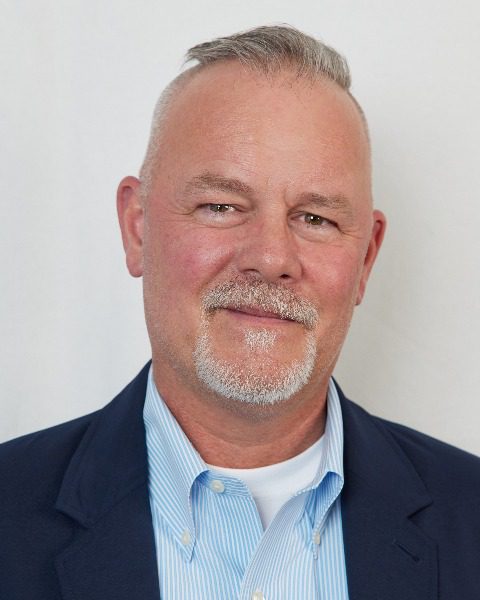
Erosion Control & Stormwater Specialist, EJ Prescott, Inc.
Bio:
Mike Everhart has been a dedicated member of EJ Prescott, Inc. since 2009, currently serving as the Erosion Control & Stormwater Specialist. Mike earned the CPESC and QSM certifications, further solidifying his credentials in the field. His insights have been featured in Stormwater Solutions Magazine in 2019, 2022, and 2023. Mike is actively involved in the industry, serving as a Vice President of the NE-IECA Chapter and participating in several professional associations. With a diploma in Architectural and Civil Technologies and over 25 years of experience in grading, drainage, and erosion control design and consulting, Mike brings a wealth of knowledge and expertise to his role.
Download Presentation (PDF)
Protecting Watersheds through Erosion Control Methods
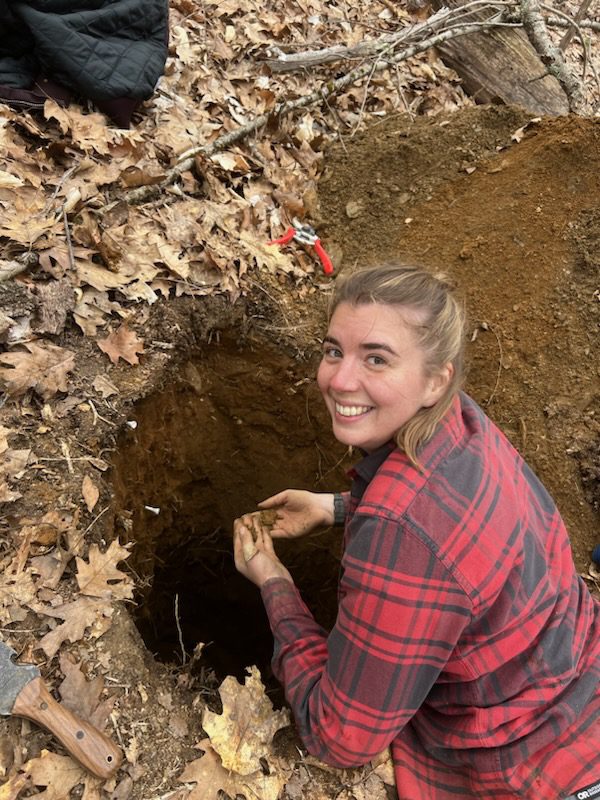
Resource Soil Scientist, USDA-NRCS
Bio:
Morgan McKee is a certified professional soil scientist who has been working as a soil scientist with NRCS since early 2023. Prior to being a soil scientist, she spent 7 years in NRCS field offices in Rhode Island, Massachusetts, Vermont, and Maryland as a soil conservationist, working with farmers and forest landowners to improve their land. She currently works to provide soil science training and technical guidance to NRCS staff, customers, and partners as well as completing wetland determinations and on-site soil assessments. Prior to working for the agency, Morgan worked as a consultant, collecting wetland inventory data throughout coastal Louisiana.
Presentation:
Describing Hydric Soils and Applying Hydric Soil Indicators
Download Presentation (PDF)
Describing Hydric Soils and Applying Hydric Soil Indicators
Training & Engagement Coordinator, Narragansett Bay Research Reserve
Bio:
Jennifer West has been the Training and Engagement Coordinator with the Narragansett Bay Research Reserve since 2005. In this position, she develops and delivers training events and technical assistance programs for local decision-maker audiences on topics related to water quality, habitat protection, and climate change. Jennifer has expertise in program design, management, and evaluation; communicating science to diverse audiences; meeting facilitation; and planning and implementing collaborative methods for engaging stakeholders in successfully addressing environmental issues. She provides facilitation assistance to a variety of groups, from municipal advisory committees vetting and adopting new zoning ordinances to strategic planning for conservation groups. Jennifer has a MS in Environmental Sciences from the University of Rhode Island and a BS in Environmental Biology from the State University of New York College at Oneonta.
Download Presentation (PDF)
A Guide to Collaborative Tidal Wetland Migration Pathway Protection
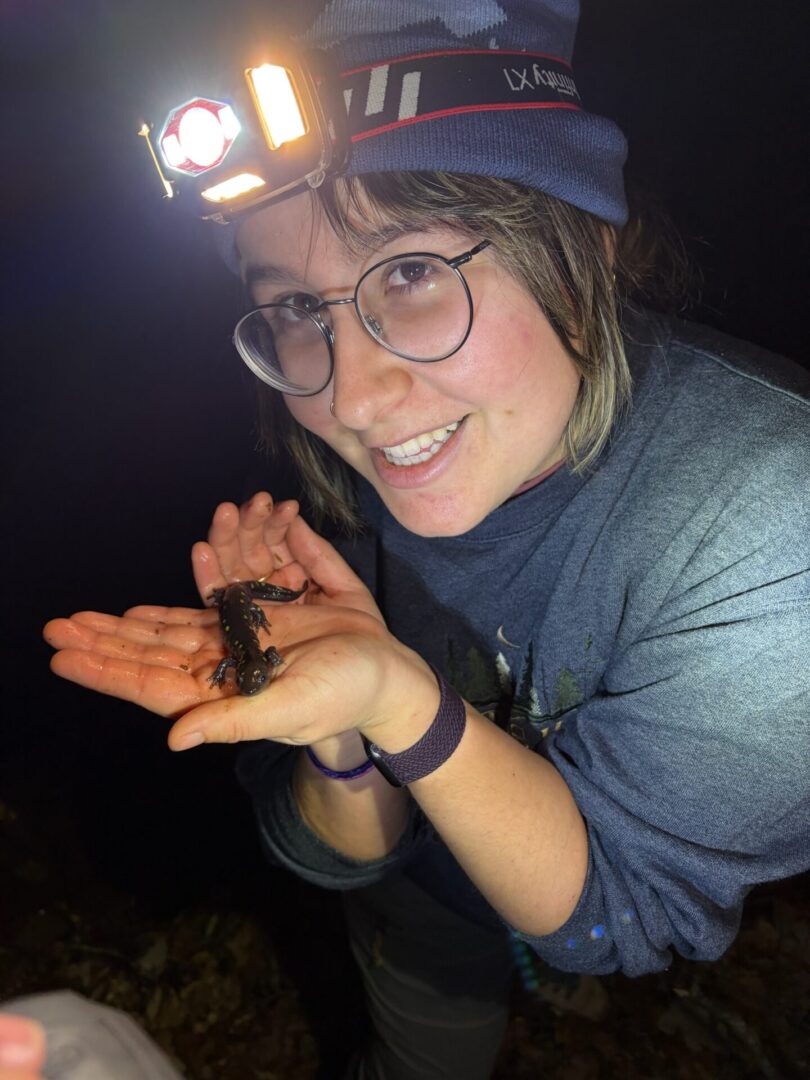
Soil Health Intern, UConn Extension
Bio:
Ella is the Summer Soil Health Intern working with UConn Extension directly under Dr. Amelia Magistrali. This summer she has been planting cover crops at the UConn Research Farm to determine the benefits of cover cropping on soil health. Ella is in her final year of Environmental Science undergraduate studies at UConn, and hoping to move onto graduate school to pursue the field in a more specialized lens.
Poster:
Demonstrating Summer Cover Crop Soil Health Benefits
Postdoctoral Researcher, UConn, Department of Natural Resources and the Environment
Bio:
Posters:
Assistant Project Manager, Friends of Herring River, Wellfleet/Truro, Inc.
Bio:
Poster:
Herring River Tidal Restoration Project
Undergraduate Research Assistant, UConn, Department of Plant Science and Landscape Architecture
Bio:
Poster:
Ph.D. Student, UConn, Department of Plant Science and Landscape Architecture
Bio:
Poster:
QUESTIONS regarding the program? Please contact Keara McAuliffe at keara@swcssnec.org.
Registration
As always, discounted rates are offered to SNEC Members and to Students.
New for 2026: we reduced the number for Group registration to a minimum of 3 attendees who register together. (See notes under Required Questions)
Register online TODAY using your credit/debit card, PayPal or Google Pay.
General Admission: $125
SWCS SNEC Member: $75
Student General Admission: $50
SWCS Student Chapter Member: $25
Space permitting, workshops are included.
Join the Soil & Water Conservation Society now at the $115 Conservationist level and benefit immediately by registering at the $75 SNEC Member rate! Simply select the Blue Light Special option when you register – we’ll handle the SWCS membership paperwork. For more information about benefits of membership (including a subscription to the Journal of Soil and Water Conservation). This offer is for first-time SWCS members only.
SWCS Southern New England Chapter’s mission is promote, educate and advance the science of soil, water and related resources conservation. We seek vendors of products and services that can help deliver solutions during all phases of the project
Includes one 6-foot table with drape and registration for one (1) person
Limit: 2 additional staff per table
For more information or to register as an Exhibitor, contact Keara McAuliffe at keara@swcssnec.org or call Christine Odiaga at 508-945-3282
To get a sense of the PROSPECTIVE AUDIENCE, see lists of attendees at past in-person SNEC winter conferences:
Through the educational events we host, the Southern New England Chapter of the Soil and Water Conservation Society has developed partnerships with like-minded organizations and government agencies working in resource protection and conservation. These public sector partnerships have been instrumental in delivery of high caliber workshops and conferences to the community we serve, and we’re grateful for their contributions of time and expertise.
But the SNEC needs financial support from the private sector to defray the cost of other efforts to support the conservation community, such as:
The Southern New England Chapter invites you to join us in our mission to promote, educate, and advance all phases of the science of conservation of soil, water and related resources.
SNEC sponsors may request specific trainings and submit job postings or event notices for our social media platforms (pending approval of content). Sponsors get promotional exposure at events, in newsletters and via social media.
Interested? Please reach out to Keara McAuliffe at keara@swcssnec.org or Christine Odiaga at (508) 945-3283 for more information.

2025 Annual Summer Meeting

Kenneth Canfield, Chief forester for the Massachusetts Department of Conservation and Recreation Division of Water Supply Protection in the Quabbin and Ware River watersheds

Chris Hirsch, Dam Removal Program Manager , Massachusetts Division of Ecological Restoration

Anna Renkert, Development & Engagement Manager at the Massachusetts Rivers Alliance
A River Runs Through It II:
River Restoration through Dam Removal and the impact on the Landscapes of New England
Thursday July 10, 8:30am – 3pm
West Boylston MA

Join us for an educational day covering dam removal, river restoration, and land use in Massachusetts and throughout New England. Hear from professionals in the field from Massachusetts Division of Ecological Restoration, The Massachusetts Rivers Alliance, the Division of Water Supply Protection, and U.S. Geological Survey’s Massachusetts Cooperative Fish and Wildlife Research Unit. The afternoon will include a tour of the recently removed Quinapoxet Dam site adjacent to the Wachusett Reservoir.
Be an active member of the Southern New England Chapter of SWCS and engage with fellow conservation professionals!
Certificates of Attendance documenting professional development hours will be provided upon request.
8:30 – 9:00 AM Registration and Refreshments
9:00 – 9:10 AM Welcome and Introductions from Chapter President, Timothy Randhir
9:10 – 9:40 AM Dam Removal and Ecological Restoration
9:40 – 10:00 AM Massachusetts Rivers Alliance and the DamBuster’s Program
10:00 – 10:45 AM Restoring Aquatic Habitats Through Dam Removal
10:45 – 11:00 AM Break
11:00 – 11:30 AM Land Management in Massachusetts through Division of Water Supply Protection
11:30 AM – 12:00 PM Background of the Quinapoxet Dam Removal
12:00 – 1:00 PM Lunch (provided)
1:00 PM Carpool or drive to Quinapoxet Dam (1 mile away)
1:00 – 3:00 PM Field tour of Quinapoxet Dam Removal Site
SNEC has covered similar topics at past summer meetings. Dam removal and stream restoration projects are complicated and fascinating!

Dam Removal Program Manager , Massachusetts Division of Ecological Restoration
Bio:
Chris has a master’s degree in restoration ecology from the University of Wisconsin. Chris started his dam removal journey while working for the Neponset River Watershed Association. He has been with DER since 2020. In his current role, Chris manages dam removal projects throughout the Commonwealth, supports a team of restoration specialists, and works to further develop and advance the practice of dam removal in Massachusetts.

Research Fish Biologist
Bio:
Dr. Allison Roy is Unit Leader with the U.S. Geological Survey’s Massachusetts Cooperative Fish and Wildlife Research Unit and Adjunct Research Professor in the Department of Environmental Conservation at the University of Massachusetts Amherst, Dr. Roy works closely with state and federal agencies to co-produce research that characterizes anthropogenic impacts on aquatic ecosystems and assesses responses to conservation and restoration. Her field-based research typically employs large spatial gradients to identify stressor responses and species-habitat relationships within lakes and streams. Her graduate students and postdocs have worked on numerous projects in New England that have informed winter lake drawdown guidance, dam removal prioritization, water conservation, freshwater mussel restoration, and river herring management.
Presentation:
Restoring Aquatic Habitats Through Dam Removal

Assistant Regional Engineer for the Wachusett and Sudbury Section of the Division of Water Supply Protection
Bio:
Bryan is the Assistant Regional Engineer for the Wachusett and Sudbury Section of the Division of Water Supply Protection. He has been with the agency for over seven years working on maintenance and improvement projects for our stormwater systems, roads, dams, and other infrastructure. In recent years, his work has also involved stream restoration projects. He had a prior career as a civil engineering consultant. He is also a member of the Hubbardston Conservation Commission, and he enjoys spending time out on local trails, paddling different water bodies, and playing music.

Environmental Analyst for the Wachusett and Sudbury Section of the Division of Water Supply Protection
Bio:
Dan is an Environmental Analyst for the Wachusett and Sudbury Section of the Division of Water Supply Protection. He has been with the agency for over 11 years and currently manages water quality and hydrologic monitoring programs for the Wachusett watershed and tributaries. Prior to working for DCR, Dan worked in southeastern PA for a county water resources authority, working on projects related to flood-protection and drinking water supply reservoir. He initially became interested in problems of drinking water supply and water quality as a Peace Corp volunteer in Paraguay. While not working Dan enjoys many outdoor activities, traveling, and tinkering with computers and electronics.

Development & Engagement Manager at the Massachusetts Rivers Alliance
Bio:
Anna Renkert is the Development & Engagement Manager at the Massachusetts Rivers Alliance, where she wears many hats including fundraising, communications, event planning, and outreach to connect individuals and member organizations in support of river conservation across the state. She supports Mass Rivers educational programming, like the Dam Busters webinar series, to build community and share knowledge that advances the movement for rivers. Anna holds a B.A. in Political Science from Colorado College. Outside of work, she enjoys playing soccer, mountain biking, and backpacking.

Deputy Director at Mass Rivers Alliance
Bio:
Monica Ghosh Driggers spent her childhood following her dad, a civil-environmental engineer,
around the country as he worked on water quality issues. She began her own career examining
water rights issues in the Intermountain West and went on to spend nearly 30 years working with
policy makers in California, Massachusetts, and other states to make changes to criminal and
civil justice processes . In her current role as the Deputy Director of the Massachusetts Rivers
Alliance, Monica oversees work on the organization’s programs, such as the popular Dam
Busters webinar series and the Rainwater Readiness stormwater workshops, as well as managing
grants and publications. She holds a Juris Doctorate from the University of Denver and an A.B. from the University of Chicago.

Chief forester for the Massachusetts Department of Conservation and Recreation Division of Water Supply Protection in the Quabbin and Ware River watersheds
Bio:
Ken Canfield is the chief forester for the Massachusetts Department of Conservation and Recreation Division of Water Supply Protection in the Quabbin and Ware River watersheds. He helps manage 80,000 acres of state-owned watershed land. Since receiving a degree in forestry from Humboldt State University (now Cal Poly Humboldt) Ken has worked as a forester for twenty-five years on private, state, and federal land in northern California, Alaska, Maine, and Massachusetts.
2024 Winter Conference:
Collaborative Restoration
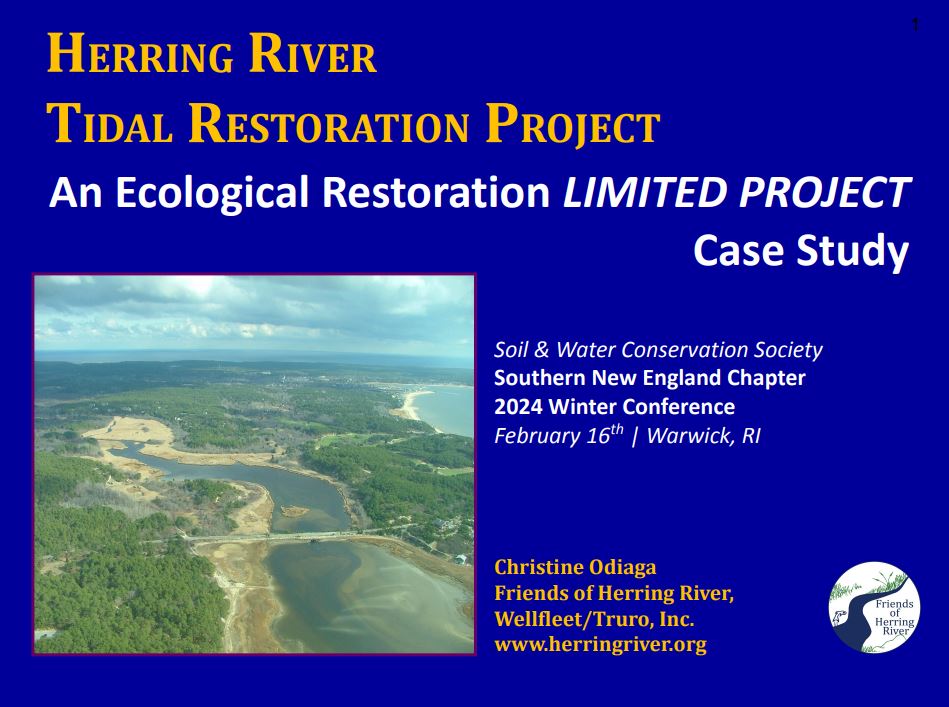
Christine Odiaga, Assistant Project Manager, Friends of Herring River, Wellfleet/Truro, Inc.
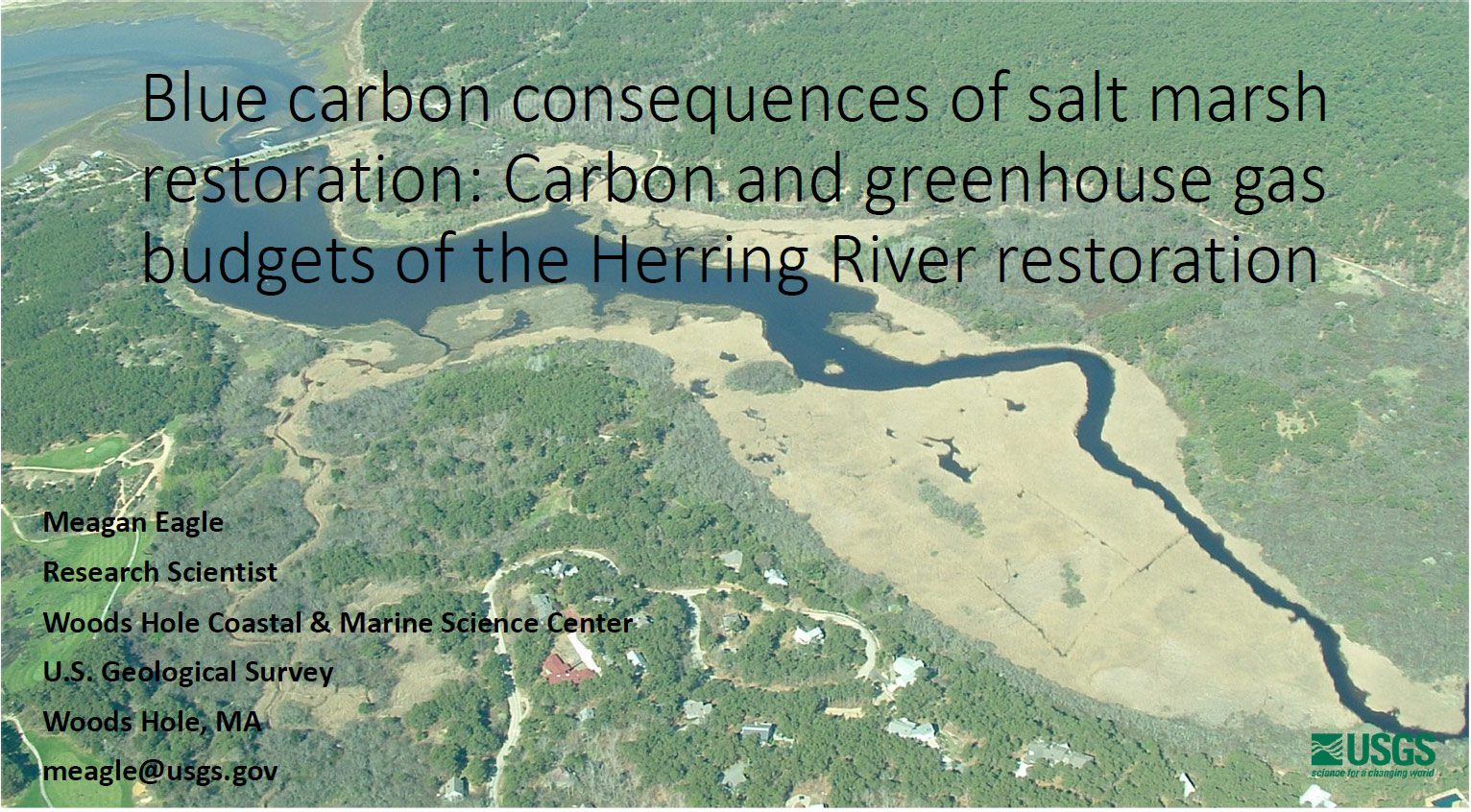
Meagan Eagle, Research Physical Scientist, US Geological Survey
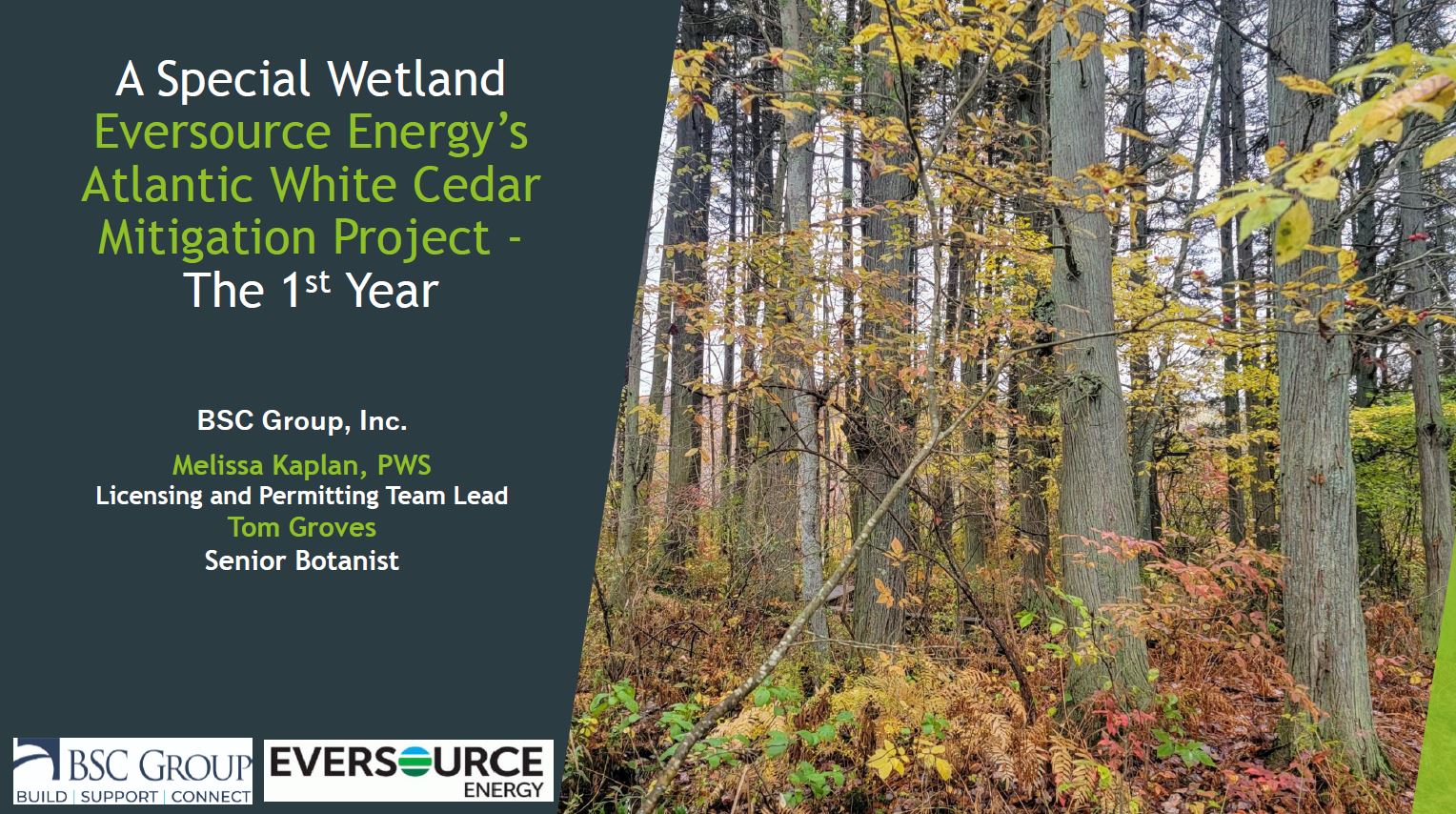
Melissa Kaplan, License and Permitting Team Lead
Melissa Kaplan is the License and Permitting Team Lead at the BSC Group. Using her 22 years of professional environmental and biological consulting experience, Ms. Kaplan manages and leads BSC project teams across New England in local, state, and federal permitting efforts for large-scale utility companies, municipal projects, state agencies and others. Ms. Kaplan holds a master’s degree in marine biology and is a Professional Wetland Scientist. Melissa is also on the board of the Connecticut Power and Energy Society, serving as Membership Committee Lead.
Tom Groves is a Senior botanist with the BSC Group. For the past 10 years he has worked across New England’s landscapes providing advice and recommendations to federal and state agencies as well as private landowners for ecological habitat restoration and invasive plant management. More recently, Tom is performing rare, threatened and endangered plant surveys for utility companies and other agencies required to avoid impacts to state or threatened species. Mr. Groves holds a B.S. in Wildlife Biology and a B.A. in English. Tom is also an active member of the New England Botanical Society and in 2022 was awarded a research grant for rare plant research in his home state of Vermont.
Alison Kocek, Fish and Wildlife Biologist, USFWS, Southern New England Coastal Program
Alison Kocek is a Fish and Wildlife Biologist at U.S. Fish and Wildlife Service’s Southern New England Coastal Program, based out of the Rhode Island Field Office. She has been working with and studying tidal marsh birds for the past 14 years. She received her Ph.D. at State University of New York’s College of Environmental Science and Forestry (SUNY-ESF) in 2022, where she studied how Saltmarsh and Seaside Sparrows are adapting their nesting behaviors to a changing environment. One of her main duties in the Coastal Program is to work with non-federal partners in Long Island, Connecticut, Rhode Island, and Massachusetts to provide monitoring support for tidal marsh restoration projects to benefit at-risk species such as the Saltmarsh Sparrow.
Jonah is a Biologist in the U.S. Fish and Wildlife Service’s Southern New England Coastal Program based in Charlestown, Rhode Island. He’s primarily focused on supporting our office and partner’s: GIS, Hydrologic, and RTK Surveying needs, across Connecticut and Long Island. Before Joining the service in February 2023, he served as Hydrologic Survey Technician contractor based in the U.S. Fish & Wildlife Service’s Northeast Regional Office in Hadley, MA. Where he was part of an RTK strike team supporting infrastructure/saltmarsh restoration projects at National Wildlife Refuges from Maine to Virginia. Jonah received his B.S in Environmental Science from Rochester Institute of Technology in 2019.
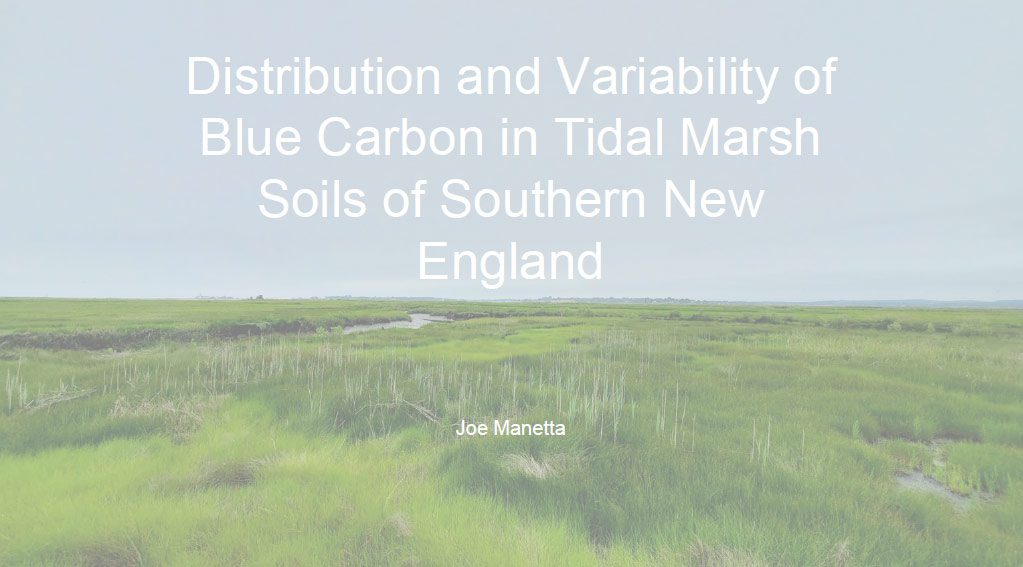
Joe Manetta, University of Rhode Island
Project Manager, Fuss & O’Neill
Elizabeth Kirmmse, RLA, ASLA, WEDG, is a Project Manager and Landscape Architect with Fuss & O’Neill. Beth graduated from Smith College with a degree in Government and a focus on environmental policy and completed her Masters in Landscape Architecture at the Rhode Island School of Design. She works with clients to develop solutions that mitigate vulnerabilities to climate change and provide ecological, economic and cultural co-benefits. With a passion for designing natural infrastructure, Beth rethinks the built environment, creating innovative designs that improve the ecological health of a system resilient solutions for waterfront locations, and is currently designing resilient riverfronts, shorelines, and natural infrastructure throughout New England.
Nicolette Nelson, Project Manager, University of Connecticut Department of Ecology and Evolutionary Biology
Wenley Ferguson, Director of Restoration, Save the Bay
Wenley Ferguson is Save The Bay’s Director of Restoration. Since 1990 she has worked on coastal habitat and water quality restoration projects throughout Narragansett Bay and its watershed including restoring salt marsh, anadromous fish, dune, and coastal buffer habitats and stormwater management. Wenley works with partners on design, implementation and monitoring of restoration and coastal resilience projects.
Melissa Hayden is the State Biologist with the USDA Natural Resources Conservation Service (NRCS) in Rhode Island, a position she has held since August of 2022. In this role, Melissa provides technical support for NRCS staff, partners, and clients on projects relating to terrestrial and aquatic wildlife habitat, Endangered Species Act compliance, the National Environmental Policy Act, and forestry related topics. Melissa has worked with RI NRCS since 2010, where she served as a District Conservationist for the eastern and southern districts prior to starting in the State Biologist role. Prior to 2010, Melissa worked for MA NRCS as a soil scientist and soil conservationist. Melissa has a Bachelor of Science degree in Environmental Science and Management from the University of Rhode Island, where she served as a research assistant, and a Master of Science degree in Plant and Soil Science from the University of Vermont, where she served as a teaching assistant.
Rock Singewald is the immediate past President of the Warren Land Conservation Trust and has been involved in the implementation of the restoration plan at Sowams Meadows Preserve over the last two years. He has been on the Board of Directors of the Trust for 6 years and in addition to the work at Sowams Meadows, he is the Steward of the Haile Farm Preserve just a little further up the Palmer River. He has worked with NRCS and Save the Bay on projects at both of those preserves as well as at Jacob’s Point on the Warren River. Rock is retired from a long career with the Federal Government and has been working for many years with his wife Anne Raver on habitats of native plants for native insects and birds, starting with the 120 acre farm he and his wife worked in Maryland prior to moving to Rhode Island and continuing with the creation of a wildlife habitat in their yard in Warren.
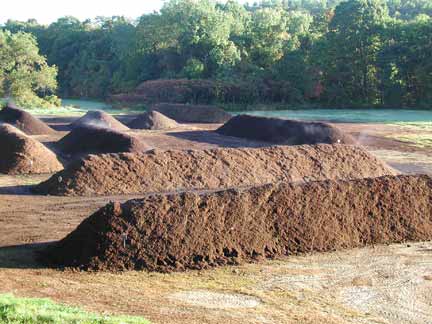
Compost Use Notes – Bear Path Compost
EVENT ANNOUNCEMENT:
A symposium presented by the University of Massachusetts
Extension Agriculture and Landscape Program
MA Law and Regulations:
Mass Department of Agricultural Resources (MassDAR) info:

Water Supply Protection Areas:
The location of water supply protection areas, including Zone A areas, can be found on the MassDEP Water Supply Protection Map (Online Map Viewer):
UMass Amherst resources:
UMass Extension Crops, Dairy, Livestock & Equine (CDLE) Program Fact Sheets
Soil and Nutrient Management:
Other CDLE Fact Sheets:
CDLE Waste Management and Composting web page
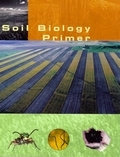
Tugel, A.J., A.M. Lewandowski, and D. Happe-vonArb, eds. 2000. Soil Biology Primer. Ankeny, IA: Soil and Water Conservation Society.
48 full-color pages, 8.5″ x 11″ softbound
The Soil Biology Primer, a 4-color publication, introduces the living component of soil and how it contributes to agricultural productivity and to air and water quality. This book is an excellent resource for gardeners, farmers, ranchers, agriculture professionals, resource specialists, conservationists, soil scientists, students, and educators. The primer includes information on the soil food web—the community of organisms living in soil—and how the web relates to soil health. Chapter topics include bacteria, fungi, protozoa, nematodes, arthropods, and earthworms.
The Soil Biology Primer Photo Gallery is posted on the USDA Natural Resource Conservation Service Soil Health web page.
from the Soil Biology Primer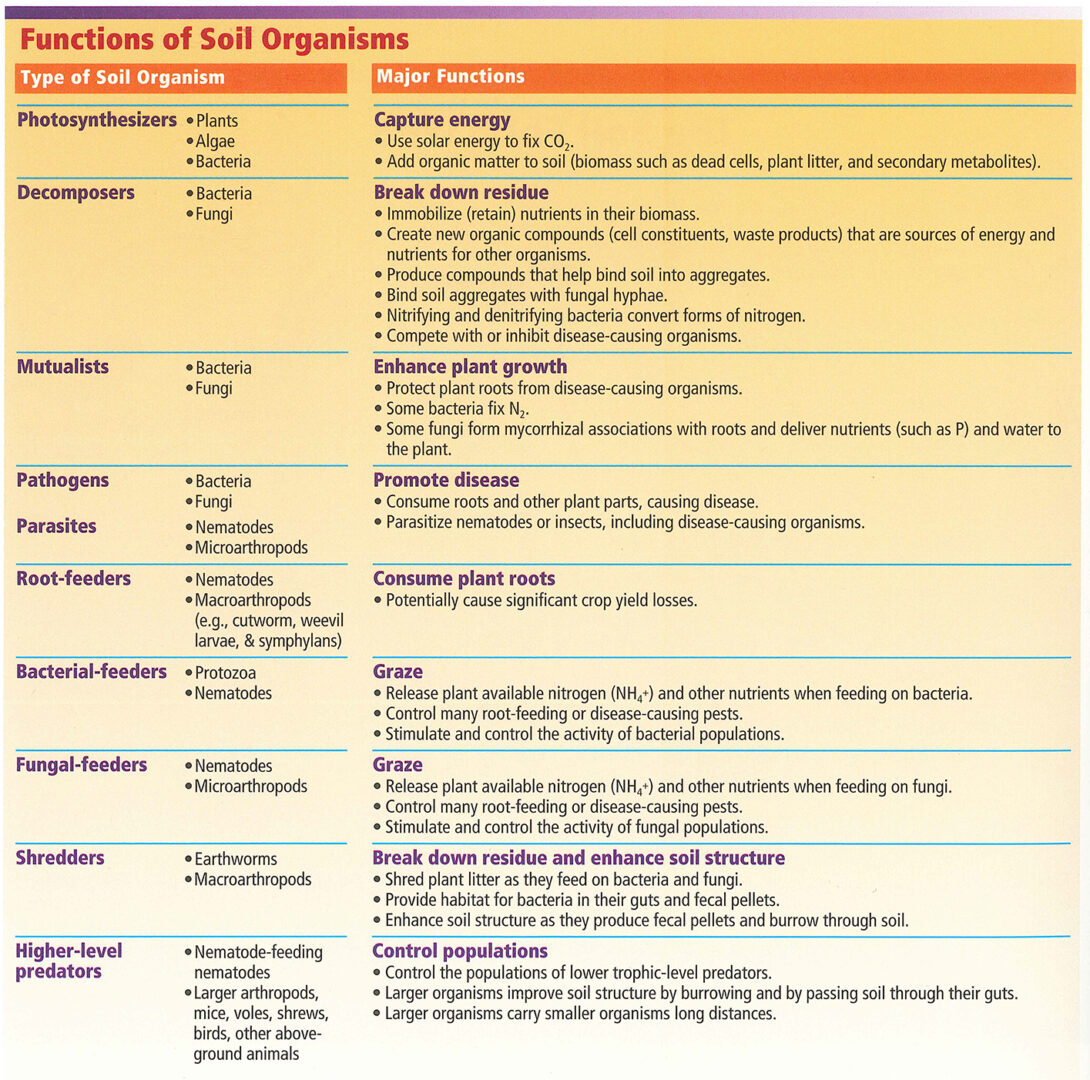
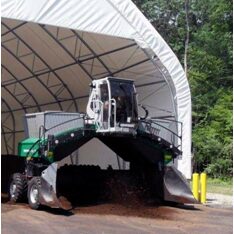
windrow turner at UConn
UConn Soil Testing Laboratory
Fact Sheets and Interpretation Sheets: click here
UConn Home & Garden Education Center – an informational resource for your gardens and home. Click here for Fact Sheets
Rhode Island Department of Environmental Management
Division of Agriculture
Farmland Ecology Best Management Practices
Each BMP has a description of the practice and the benefits to be achieved by implementation, if appropriate. Not all of the management practices described may be implemented depending on the size and type of the agricultural operation nor is it required to implement more than one practice. Each farming operation is different and only those management practices which will prove to be economically and environmentally beneficial are recommended for implementation. The goal however, is the same for each individual practice and that is to protect and conserve Rhode Island’s natural resources.
Rhode Island General Laws:
Regulations:
Plan for Managing Nutrient Loadings to Rhode Island Waters
Prepared by the Rhode Island Department of Environmental Management Pursuant to RI General Law ß 46-12-3(25) February 1, 2005 [Edited February 10, 2005]
News Release (February 15, 2005):
DEM ISSUES NUTRIENT MANAGEMENT PLAN
Primary Goal is to Reduce Loadings from Wastewater Treatment Facilities

Cornell Waste Management Institute
CWMI is a program in the Soil and Crop Sciences Section, School of Integrative Plant Science in the College of Agriculture and Life Sciences at Cornell University. CWMI serves the public through research, outreach, training, and technical assistance, with a focus on organic residuals.
Compost Fact Sheet Series #1-8
1. Marketing Composts and Meeting Consumer Needs. 6p, 2004 (updated 2015)
2. Regulation and Certification of Composts. 4p, 2004
3. Improving and Maintaining Compost Quality. 6p, 2004 (updated 2013)
4. Testing Composts. 6p, 2005 (updated 2015)
5. Compost Bulking Materials. 4p, 2004 (updated 2013)
6. Compost Pads. 6p, 2005
7. Compost Equipment. 6p, 2006
8. Composting Liquids. 4p, 2007
Natural Rendering Fact Sheets
Composting Livestock Mortality and Butcher Waste. 12p, 2002
Composting Road Kill. 12p, 2007
Composting Poultry Mortality. 12p, 2008
Horse Mortality: Carcass Disposal Alternatives. 8p, 2012
Health and Safety
Health & Safety Guidance for Composting in the School Setting. 2p, 2005
Health & Safety Guidance for Small Scale Composting. 2p, 2004
Home Composting
Composting at Home: the Green and Brown Alternative. 12p, 2011
Home Composting. 4p, 2005
Home Use of Milorganite®. 2p, 2006
Preventing Animal Nuisances in Small Scale Composting. 2p, 2005
Municipal Solid Waste Composting Fact Sheet Series #1-7
Table of Contents
1. Physical Processing
2. Biological Processing
3. Strategies for Separating Contaminants
4. Potential Effects of Heavy Metals on Plants and the Environment
5. Issues in Risk Assessment
6. Issues in Policy and Regulation
7. Key Aspects of Compost Quality Assurance
8. Composting Glossary
Municipal Yard Waste Composting – Operator’s Fact Sheet Series #1-10
Introduction and Table of Contents
1. The Compost Process
2. Composting Ingredients
3. Water
4. Oxygen
5. Temperature
6. Building Windrows
7. Turning Windrows
8. Chipping Woody Wastes
9. Health and Safety Precautions
10. Troubleshooting
COMPOST USE CATEGORY GUIDELINES
To familiarize yourself with the use categories listed below, click here.
To learn more about the organizations from which guidelines and specifications were obtained, click here.
To estimate the amount of compost needed for a project, click here.
Otherwise, select one of the following options…
Note that individual states may have standards applicable to some compost products and uses.

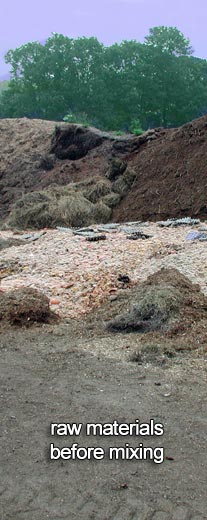
The SWCS Southern New England Chapter 2016 Summer Meeting will feature a tour of the operations at Bear Path Farm, led by farm owner Bill Obear and partner Mike Mahar.
Bear Path Farm is recognized throughout the Pioneer Valley of Massachusetts as a dedicated producer of high quality, compost for residential, agricultural and commercial applications for 20 years. But many people are unaware of Bill’s commitment to sustainable forest management; of the farm’s 50 acres, 35 are forested with a diverse mix of hardwoods. Bear Path Farm has been an official Tree Farm since 1984 and takes pride in the fact that its modest woodland is being sustainably managed under the guidelines of the American Tree Farm System and is certified as such by the Forest Stewardship Council (FSC). By meeting the rigorous FSC forest management standards, Bear Path Farm reaps multiple environmental benefits for its forestland as well as for the greater good.
In 2015 the compost operation transitioned into Bear Path Compost, LLC. The location remains the same; what’s changed is the addition of two new faces, Mike and Pete Mahar, as Bill’s new partners and owners of Bear Path Compost. The Mahar brothers also operate Poplar Hill Farm and have the same zeal and attention to detail that Bill has demonstrated over the last 20 years.
Handout: Bear Path Compost History
Mike and Bill will talk about their feedstocks and mixing & turning techniques; and they will open up and probe a few windrows for temperature. “Of course we have other things to go over, but show and tell is basically what our tour will be all about.”
Handout: Compost Use Notes
Handout: Compost as a Mulch in Ornamental Landscapes

Katie Campbell-Nelson, a UMass Extension educator and vegetable specialist at the Center for Agriculture, Food and the Environment, will provide practical information on site, including a demonstration of how to properly collect samples for analysis and guidance on interpreting compost test results.
The residues-to-riches story will continue at UMass Amherst. Attendees will caravan or carpool to Lot 45; half-day parking permits will be distributed at the farm. Presentations and Lunch will be in Room 308 at Holdsworth Hall.
Geoff Kuter, President and General Manager at Agresource, Inc., will provide an overview of compost characteristics and the basics of the composting process, different types of facilities in the region (e.g. biosolids vs. leaf and yard wastes), the technologies and equipment that are used.
Handout: Composting Principles (slides) 2.9 MB
Handout: Composting Principles (for taking notes) 1.8 MB
Hotze Wijnja, an Environmental Chemist at the Massachusetts Department of Agricultural Resources, has been involved with the development and implementation of the regulations at 330 CMR 31.00 promulgated in 2015 to address plant nutrient management. He will provide an overview of the regulations and discuss the implications of the requirements as they relate to the application of compost.
Handout: Plant Nutrient Regulations 1.7 KB
Handout: Turf & Lawns Factsheet
Handout: Information Sheet for Agricultural Land
 A video will be shown during lunch: Low Cost Aerated Static Composting Systems for Small Acreage Equine Operations by Masoud Hashemi and Atakan Kadi of UMass Extension. Masoud Hashemi is an Associate Professor in the Crops, Dairy, Livestock, and Equine Program specializing in sustainable food and farming. Through a 319s grant funded by Massachusetts Department of Environment Protection, UMass Extension implemented two Aerated Static Pile (ASP) composting systems, also known as forced aeration, to manage livestock manure and bedding produced on Blue Star Equiculture Farm in Palmer, Massachusetts.
Geoff Kuter will make a second presentation after lunch about the benefits of using compost and how compost is being used, including non-agricultural uses such as site remediation, and low impact development projects including wetland restoration and storm water management projects.
Handout: Compost Characteristics & Uses (slides) 1.6 MB
Handout: Compost Characteristics & Uses (for taking notes) 3.4 MB
The event will conclude with the Southern New England Chapter Annual Meeting, which is open to all. FY 2017 Board of Directors election results will be announced. Other agenda items will include discussion of the 2017 Winter conference, long-term goals and the FY17 budget.
In the spirit of conservation, only the agendas will be provided in hard copy. Please print any information you want to have on hand.
Certificates of Attendance will be distributed before the Chapter Meeting; these will show the agenda to document 3 contact hours of professional development.
| 8:30 a.m. | Sign In at Bear Path Farm and pick up UMass Parking Permit |
| 8:50 a.m. | Greetings and Acknowledgments |
| 9:00 a.m. | Tour of Bear Path Compost Bill Obear and Mike Mahar |
| 9:30 a.m. | Compost Analysis and Interpretation Katie Campbell-Nelson |
| 10:00 a.m. | Caravan/Carpool to UMass Amherst – – park in Lot 45 Reconvene at Holdsworth Hall Room 308 See DIRECTIONS pages 4-6 for map, aerial and narrative guidance. |
| 10:40 a.m. | Greetings and Acknowledgements II |
| 10:45 a.m. | Composting Principles Geoff Kuter |
| 11:20 a.m. | Plant Nutrient Regulations Hotze Wijnja |
| 12:00 p.m. | Serve Lunch |
| 12:15 p.m. | Lunchtime Video: Low Cost Aerated Static Composting Systems for Small Acreage Equine Operations Masoud Hashemi and Atakan Kadi |
| 12:45 p.m. | Compost Characteristics and Uses Geoff Kuter |
| 1:15 p.m. | Wrap Up – – distribute Certificates of Attendance |
| 1:25 p.m. | Southern New England Chapter Annual Meeting |
| 1:45 p.m. | Meeting Adjourned! |
Certificates of Attendance will include this agenda to document 3 contact hours of professional development.
Keynote Address: Adapt CT – Outreach Efforts for Resilience and Adaptation (6 MB) | CT Sea Grant, the Center for Land Use Education and Research (CLEAR) and UConn Extension have partnered to develop Adapt CT, a unique collaboration to bring information, interaction and dialogue to the most pressing resilience and adaptation issues faced in CT. This presentation will focus on the numerous and challenging problems raised by stakeholders across CT and how we are working to move forward on many of these resilience issues.
– – -> Juliana BARRETT | Extension Educator, UConn Sea Grant Program
Soil Workshop #1: Getting to Know Soils in an Urban/Suburban Environment (5 MB) | Exploration of the unique hazards faced by urban soils and of the many benefits they offer. Ideas for improvement and protection to sustain a healthy urban environment for the future. Overview of urban soil types, mapping and practical measures to take when working with them.
“Urban soils are under unique stresses, but they give a lot too!”
– – -> Lisa KRALL | Resource Soil Scientist, USDA Natural Resources Conservation Service
Sustainability and Urban Forestry (5 MB) | What makes for a sustaining urban forest? That answer is as complicated as answering what makes an urban forest – as one considers what it takes for a tree to thrive in today’s dynamic urban environments.
– – -> Chris DONNELLY | Urban Forestry Coordinator, CT DEEP Division of Forestry
Sustainable Stormwater BMPs from the Municipal Perspective (4 MB)| Rarely is the sustainability and cost of maintenance by the cities, towns and private parties who will eventually own and maintain them a consideration prior to installation of stormwater management BMPs. Case studies of local projects provide a real-life view of storm water management challenges and practical measures implemented to resolve them.
– – -> Charles EATON | Director of Municipal Services, CME Associates
Soil Workshop #2: Urban Soil Health and Permaculture/Agriculture in Urban Areas (7 MB) | A look at managing the urban landscape to improve soil function and nutrient cycling, and to increase carbon sequestration, infiltration and water holding capacity. Permaculture, the development of agricultural ecosystems intended to be sustainable and self-sufficient, will be highlighted.
“I have a passion for conservation, primarily through soil health and ecosystem restoration. I am an avid believer that humans, while widely considered the problem to environmental issues, can also be the solution to them; and that we can, through the facilitation of understanding, improve the planet we live on. It is with this torch I carry myself in my life and my career as a conservationist. Become the change you want to see in the world, and see it done.”
– – -> Raymond COVINO | District Conservationist and Soil Health Specialist, USDA NRCS
Municipal Resiliency: Local Problems, Local Actions | Seeing the impacts of climate change first hand, municipal and regional leaders are adapting to the changes at the local level. This session will cover the relationship between adaptation and land-use planning, and a recent resiliency project: a Low-Impact Development Design Manual for the town of Morris (funded by CIRCA and overseen by NHCOG. Attendees will learn about starting the adaptation planning process, where to find tools and informative case studies.
– – -> Joanna WOZNIAK-BROWN | Planning Assistant, Northwest Hills Council of Governments (NHCOG)
Bringing Wetlands to Market: Examining the Role of Nitrogen in Blue Carbon (5 MB) | Coastal wetlands have carbon sequestration rates three to five times greater than tropical rain forests; but excess nitrogen inputs and other stressors have the potential to alter carbon cycling and storage within wetlands. Bringing Wetlands to Market is a collaborative project that provided data and a model for predicting carbon uptake rates (and greenhouse gas fluxes) from coastal wetlands.
– – -> Katelyn SZURA | Graduate Student, URI Moseman-Valtierra Laboratory
Practical Applications for Drones in Data Collection (5 MB) | Discussion of Unmanned Aircraft Systems (i.e. drone technology), the regulatory environment and examples of commercial grade products delivered for clients. Overview includes inspection and mapping for civil/environmental projects, documentation, stakeholder engagement and general considerations for planning and executing successful missions. Example products & deliverables include Point Cloud/3D renderings, ortho-mosaics and elevation models.
– – -> Jon BUDRESKI | Co-Founder and Director of Business Development, AirShark
| 8:00 a.m. | Registration | Exhibits & Networking | Breakfast | |
| 9:00 a.m. | Welcome and Opening Remarks | |
| 9:10 a.m. | Keynote Address: Adapt CT – Outreach Efforts for Resilience and Adaptation (PDF, 6 MB)
Juliana BARRETT | UConn Sea Grant Program |
|
| 9:30 a.m. | Soil Workshop #1: Getting to Know Soils in an Urban/Suburban Environment (PDF, 5 MB)
Lisa KRALL | USDA NRCS |
|
| 10:30 a.m. | Sustainability and Urban Forestry (PDF, 5 MB)
Chris DONNELLY | CT DEEP |
|
| 11:00 a.m. | Break | |
| 11:15 a.m. | Sustainable Stormwater BMPs from the Municipal Perspective (PDF, 4 MB)
Chuck EATON | CME Associates |
|
| 12:15 p.m. | Lunch | Exhibits & Networking | |
| 1:00 p.m. | Soil Workshop #2: Urban Soil Health and Permaculture/Agriculture in Urban Areas (PDF, 7 MB)
Raymond COVINO | USDA NRCS |
|
| 2:30 p.m. | Break | |
| 2:40 p.m. | Municipal Resiliency: Local Problems, Local Actions
Joanna WOZNIAK-BROWN | Northwest Hills Council of Governments |
|
| 3:10 p.m. | Bringing Wetlands to Market: Examining the Role of Nitrogen in Blue Carbon (PDF, 5 MB)
Katelyn SZURA | URI Moseman-Valtierra Laboratory |
|
| 3:40 p.m. | Break | |
| 3:45 p.m. | Practical Applications for Drones in Data Collection (PDF, 5 MB)
Jon BUDRESKI | AirShark |
|
| 4:25 p.m. | Closing Remarks Certificates of Attendance will be available at the door at the end of the program. |
|
| 4:45 p.m. | Southern New England Chapter Meeting – Open to All |

